Explore Our HVAC Expertise At Al-Jahra Mosque. High-capacity 62-ton COOLEX Systems Designed To Beat The Heat With Silent, Durable Performance.
Contact US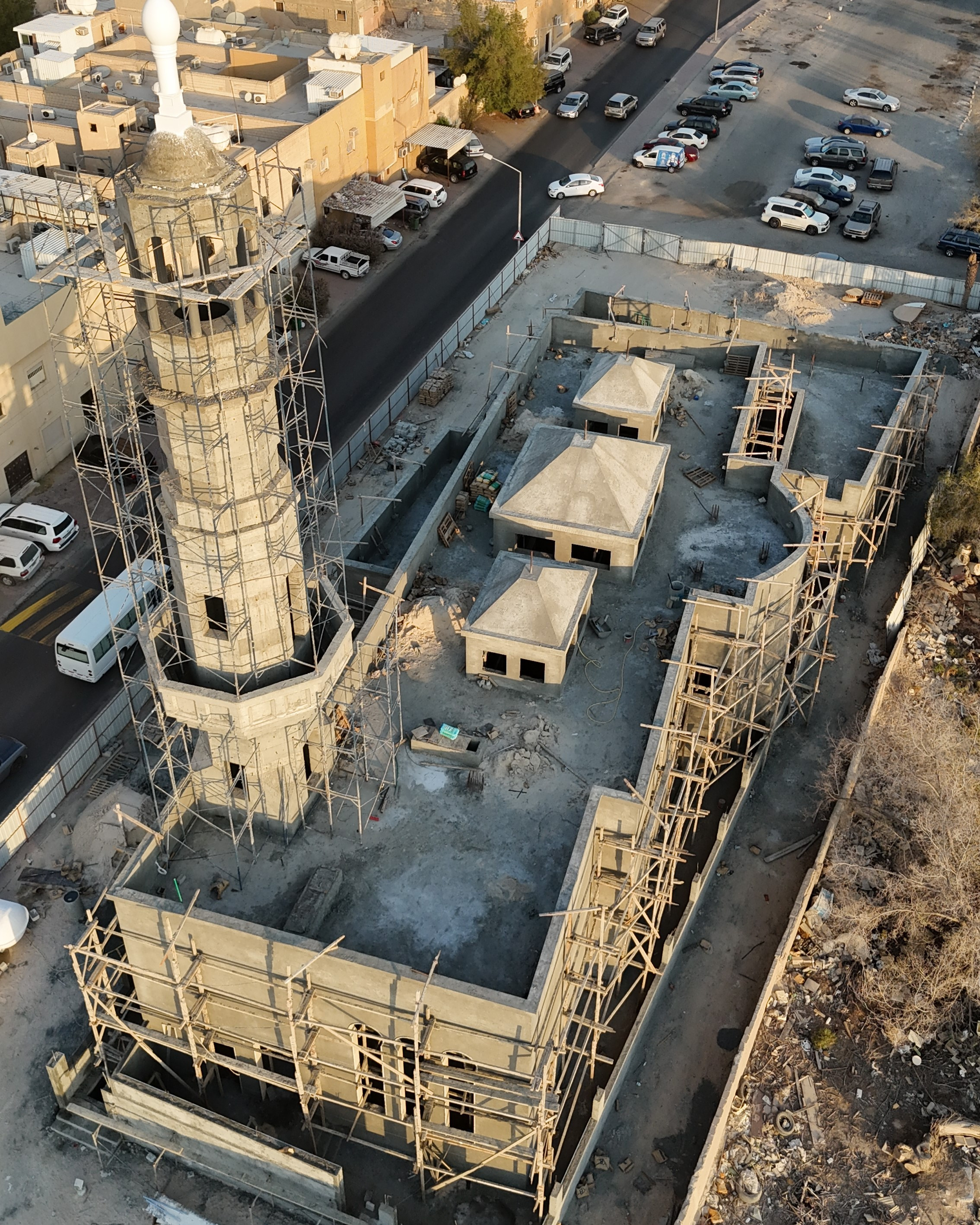
Based on the rigorous engineering standards required for the Al-Jahra Mosque project, our company spearheaded the supply and installation of an advanced central air conditioning system with a total cooling capacity of 62 Tons. Our role focused on transforming engineering blueprints into a tangible reality by selecting and installing a DX Package (DX PKG) system, ensuring a cool and serene indoor environment tailored for places of worship while withstanding harsh climatic conditions.
Our execution strategy prioritized sustainable performance and ease of future maintenance through the following phases:
Structural & Spatial Analysis: We analyzed the mosque’s structural layout to determine optimal ducting routes, ensuring uniform cooling distribution across the main prayer halls and facilities.
Mechanical Preparation: This involved constructing specialized concrete and steel vibration-isolation bases on the roof to ensure the units operate with maximum silence.
Installation of COOLEX Units: We installed the COOLEX units and integrated them with the internal distribution network using high-quality thermal insulation to minimize energy consumption and prevent thermal loss.
Testing & Commissioning: We conducted comprehensive air pressure and flow balance tests to ensure the system reached its maximum cooling efficiency (62 Tons) immediately upon operation.